
RAG vs. Fine-tuning: Match the Method to the Task
You want AI to answer from weekly updated manuals and use a consistent format. Must you retrain the model? RAG and fine-tuning address different problems. This article helps choose based on task type, data, costs, and actual evaluation methods.

Start with the question: Do you need new information or new behavior?
If AI lacks specialized, continually updated information, consider RAG first If information already appears in the prompt and consistent behavior is needed, fine-tuning may fit better. The approaches can coexist. Always measure simpler methods first.
Microsoft Learn explains RAG as retrieving relevant content and providing it to the model to inform its answer, while Microsoft fine-tuning documentation explains further training with examples to adjust behavior or task-specific capabilities; it does not replace retrieval of current information
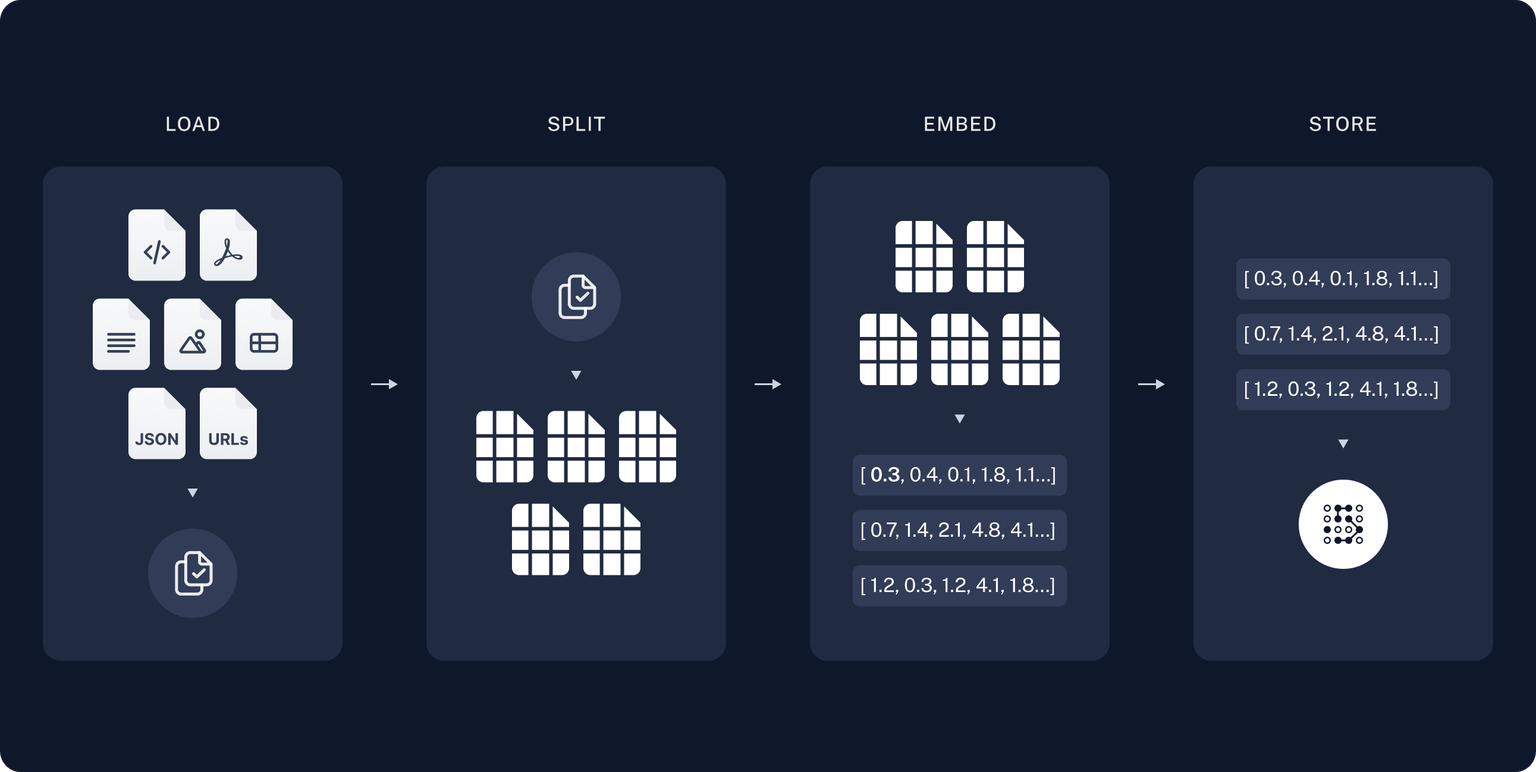
How RAG works without training the model to memorize every document
RAG is an abbreviation for Retrieval-Augmented Generation, or creating answers with retrieved information. The general order is to organize documents to be searchable. Divide it into appropriate sections, create an index, and then when the user asks. The system finds relevant parts and sends them as context for the model to generate answers. The three main steps are Search → Add context → Create answer.
An index may use keyword search, vector search, or both. Vector search can still miss relevant information. Scans without text, incorrect search permissions, or tables split away from their context can cause errors before the data reach the model.
Hypothetical example: The company has an annual leave manual in January and an updated October edition. If it points to the last approved version with the document name and date. Users have a better chance of cross-checking their answers than hoping the model remembers the same requirements from previous training. But if you search for the wrong version, the AI may confidently answer incorrectly as well.
Fine-tuning changes model behavior through training examples
Fine-tuning trains an existing model on examples of tasks and desired outputs to improve consistency in format, tone, or procedure. It requires data preparation, training, evaluation, and model maintenance, without guaranteeing better accuracy.
Hypothetical example: A support team must convert Thai complaints into consistently formatted JSON with issue category, urgency, and polite responses. If clear instructions, a few examples, and review still leave repeated errors, evaluate fine-tuning on cases separate from training rather than indefinitely extending prompts. Do not train on personal data without permission and safeguards.
Compare RAG and fine-tuning on the same task
| Issue | RAG | Fine-tuning |
|---|---|---|
| Questions answered | How to retrieve and use which source data? | How to make the model work in the desired way? |
| Frequently changing information | The document set and index can be updated | New information does not appear automatically; plan additional training or retrieval |
| traceability | Design the system to show retrieved sources | Model weights are not document reference links. |
| Main costs | Prepare documents, indexes, retrieval, and context tokens | Training dataset, evaluating, training and servicing models |
| Risk point | Wrong documents, access-control failures, prompt injection | Biased training data, learning the wrong patterns, and declining performance when tasks change |
Start with a prompt before investing in a larger system
- Specify success criteria: Must it answer from the latest documents or classify text consistently? How is accuracy measured, and who approves?
- Create a Thai test set excluded from training: Include easy, difficult, ambiguous, cross-document, and unanswerable questions.
- Try the basic method: Use the existing model with clear instructions and a few reference documents as a baseline before buying retrieval systems or training a model
- If the information is outdated or the original cannot be found: Test the retrieval system Check whether the retrieved pieces of information actually match the question or not.
- If you know the data but it's formatted incorrectly: Improve prompts or structured outputs before considering fine-tuning
- Estimate total cost: Consider data preparation, retrieval, training, compute costs, latency, and human correction time
Security and limitations that neither method solves by itself
RAG doesn't always produce the true answer. And retrieved documents may contain prompts to trick the model into doing something outside of the task (Prompt injection). Therefore, the system must check permissions to access the data before searching and automatically treat text from the document as untrusted. Likewise, Fine-tuning is not a permissions system or a data leak prevention tool.
For client files, contracts, or personal data, first check service terms, transmission scope, and retention policies. Do not test sensitive files on public systems without permission.
Choose a method targeting the failure before a complex system
Start with this question: “Is the AI answering poorly because evidence is missing, or because it uses the wrong format?” If evidence is missing, fix document organization and retrieval first. If output format is wrong, start with examples and evaluation, then consider fine-tuning. Both can be combined when both problems need fixing, but prove their value on real tasks instead of relying on marketing. Read more about How to use benchmark scores as evidence when choosing AI without substituting public scores for your own tests
Sources
- Microsoft Learn: Retrieval augmented generation (RAG) and indexes
- Microsoft Learn: Fine-tuning in Microsoft Foundry
Based on Microsoft Learn documents reviewed October 13, 2026. No models were trained or live systems tested. Companies and outcomes are hypothetical, not provider performance endorsements.