
Local AI Agents with Antigravity SDK: Benefits and Limits
Coding agents need detailed project information to read and edit code. Sending every step to the cloud may conflict with confidentiality, cost, or network constraints. Google's Antigravity SDK offers local models and mixed local/cloud execution.

What is a Local AI Agent?
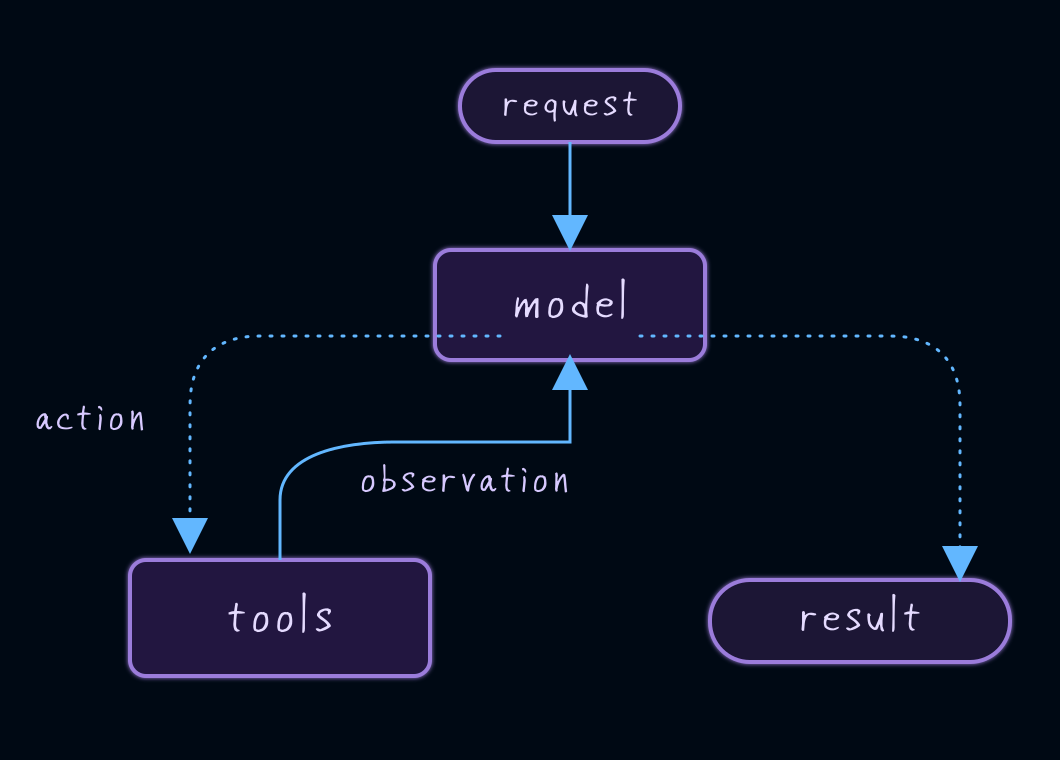
A local AI agent runs its model and agent loop on the user's computer instead of sending every prompt, file, and result to cloud services. Antigravity SDK supports this through LiteRT-LM, Gemma models, and OpenAI-compatible API servers such as Ollama, LM Studio, and vLLM.
Local does not require every component on-device. A hybrid system may let a cloud model plan from limited information and delegate detailed code or file reading to a local model.
Main reasons a team might run agents locally
- Privacy: Sensitive code and files need not go to external model providers at every stage
- Works offline: Local inference can run after models and runtime are prepared, but web searches, external APIs, and package installation still need network access.
- Cost Control API calls: Repetitive tasks can use available local computing resources instead of incurring per-token API charges
- Reduce latency in some tasks: Avoids network round trips, but actual speed still depends on hardware and model size
Example of a hybrid separating the "planner" and the "executor"
Google demonstrates a cloud model acting as architect, reading only filenames and task descriptions to plan. Local Gemma then inspects vulnerabilities, creates patches, reviews work, and tests actual code. The demo reports most tokens being processed locally.
This approach helps reduce outgoing data, but the two sides need clear rules about what they exchange and what each may do. Cloud-generated plans must respect the device’s restrictions. Locally produced results should be checked before being sent back or used to overwrite important files.
The main limitations are hardware and runtime maintenance.
For example, Gemma 4 26B in the announcement recommends machines with more than 24 GB of VRAM or unified memory, which is higher than many other computers. Smaller models may require fewer resources, but the quality, speed, and usability of the tools may be different.
Local execution adds model installation, version and driver management, memory monitoring, and dependency security updates. Lower API costs do not mean zero total cost, especially across diverse hardware.
Keeping data locally does not automatically make an agent safe
Local agents can delete files, run incorrect commands, read secrets, or follow injected document instructions if overprivileged. Restrict workspaces and tools, use sandboxing, require approval for major changes, and retain auditable activity logs.
If the workflow includes cloud processing, create a clear data-flow diagram showing which metadata, prompts, logs, and outputs leave the device. A hybrid approach may reduce transmission of raw code while still sending other data that identifies the project or internal issues.
Example data-flow check: Use nonpersonal test files and identify which models and tools should read them. Check providers and relevant network logs. Distinguish model-weight downloads, prompt transmission, and other tool services. One local-model component does not establish a wholly local workflow. Record unchecked boundaries and do not use confidential files to test privacy.
Choose local, cloud, or hybrid based on task requirements
Local suits sensitive data, offline needs, and adequate hardware. Cloud suits quick starts, larger models, or avoiding runtime maintenance. Hybrid suits clearly separable data and responsibilities.
The Antigravity SDK brings these options into a more uniform agent framework. But the appropriate architecture also depends on the threat model, budget, latency, and desired quality. It's best to experiment with a small, real-world job before extending rights to an agent to touch the codebase or critical system.
Sources
This article refers to Google's announcement and demo as of 7 October 2026. The token numbers and demo results are an example. It is not guaranteed for every machine or codebase. Readers should review the latest documentation and security policies before implementing.