
Crypto for Beginners: Coins, Exchanges, and Wallets
Crypto markets are open around the clock, and messages such as “already up another 20%” can make doing nothing feel like missing out. For beginners, pausing to understand what they are buying, where they will store it, and how they could lose money matters more than rushing after the price.
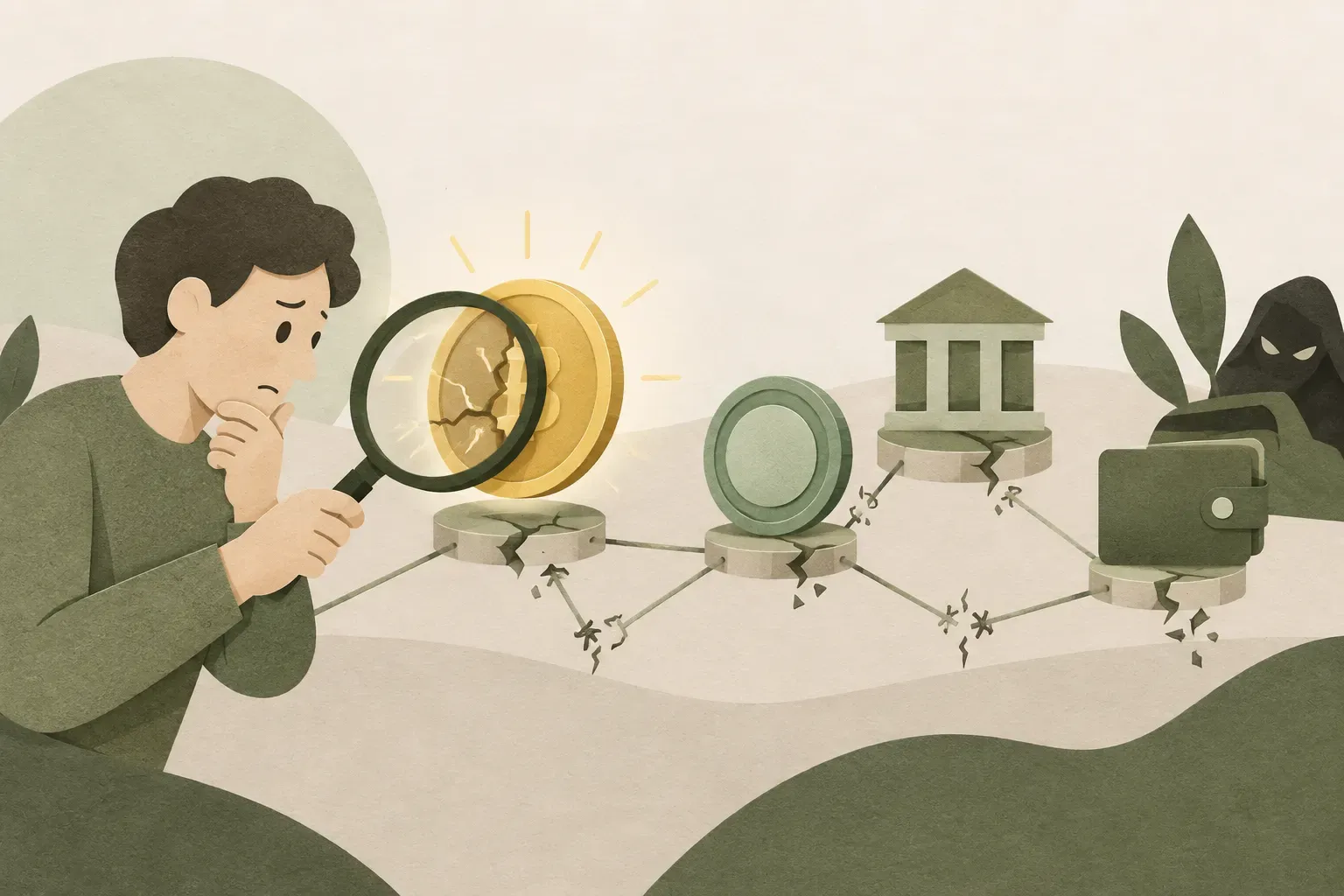
Crypto does not all have the same risks.
Crypto includes many assets and services. Bitcoin has one structure and purpose; project tokens have others. Stablecoins aim to track assets such as dollars, but “stable” does not guarantee full-value redemption at all times.
Before buying, identify the coin’s purpose, issuer, and supply rules, and whether its value rests mainly on actual use or buyers’ expectations. If a jargon-heavy explanation still does not show where the money comes from, pause and investigate further.
Exchanges and wallets serve different purposes
An exchange is a trading platform that may also hold your assets. Convenience brings provider risks, including withdrawal suspensions, security breaches, or operational failure. Check the operator's status with Thai regulators and enable strong authentication.
A wallet manages keys used to access assets on a network. Holding the keys yourself reduces reliance on a custodian but makes you responsible for secure backups. Losing a seed phrase or sharing it with a scammer may cause irreversible loss of access. Do not share it with anyone claiming to provide support.
Risks beyond the displayed price
- Highly volatile prices: Prices can change dramatically in no time. And there may not be a chance to leave as expected.
- Liquidity: Smaller coins may trade thinly, and actual sale prices may differ from displayed prices
- Service provider: By depositing assets with a platform, you are also assuming the risks of that platform.
- Technology: Smart contracts, cross-chain bridges, or wallets may contain vulnerabilities
- Deception: Fake websites, apps, investment pitches, and celebrity accounts often exploit urgency and seemingly effortless returns.
- Rules and taxes: Conditions may change and vary by country. Check current information before transacting.
Checklist before committing real money
Start with money you can lose entirely without affecting expenses, debts, or Emergency fund Check the list of authorized business operators yourself. Don't click on links from chat. Turn on multi-factor authentication And try withdrawing a small amount before making a big transaction.
For self-custody, learn with small amounts, keep offline backups, and verify every destination address. For yield services, ask where returns come from, who the counterparty is, and what happens if everyone withdraws together.
Distinguish price risk from access risk
Suppose an app shows crypto worth 5,000 baht. This does not tell you when you can withdraw it. Consider three fictional scenarios for practicing risk checks without transferring real money:
| Scenario | Risks that need to be separated | Information that should be checked |
|---|---|---|
| The in-app price is unchanged, but the provider suspends withdrawals | Access and counterparty risks, even when prices do not fall | Custody terms, official contact channels, and withdrawal status |
| I hold the key myself, but I can't find the private key or recovery information. | Safeguarding keys involves more than forgetting an app password | The developer's backup and recovery method, without sharing keys with anyone |
| Someone sent a chat claiming that they had to request a seed phrase in order to get a refund. | Tricking into granting access | Stop sending information and contact the provider through a channel you open independently |
Investor.gov explains the responsibilities of keeping keys and using a custodian. Self-custody changes responsibilities without eliminating risk. Before using real money, identify who controls keys, how access is recovered, and who can suspend withdrawals. If unclear, study the terms first.
Warning signs to step back
Promises of guaranteed profit, pressure to transfer immediately, and requests to share security codes are warning signs. Celebrity names, group membership counts, and screenshots of other people’s profits do not establish that a project is trustworthy.
If you are interested in crypto, first learn how to secure your account and limit the money you could lose. Then assess whether the risks fit your plan. Fear of missing a price rise should not be the main reason to invest.
Sources
- Thailand SEC: Digital Asset Investment Risk Warning
- Investor.gov: Crypto Asset Securities Investor Alert
- Investor.gov: Crypto Asset Custody Basics for Retail Investors
This article provides general knowledge. It is not a recommendation to buy or sell digital assets. Crypto carries a high level of risk and you may lose your entire investment.