
How many months should an emergency fund cover, and where should it be kept?
An emergency fund covers unexpected events such as interrupted income, urgent medical expenses, or essential items breaking. Its purpose is to help without forcing asset sales or new debt.
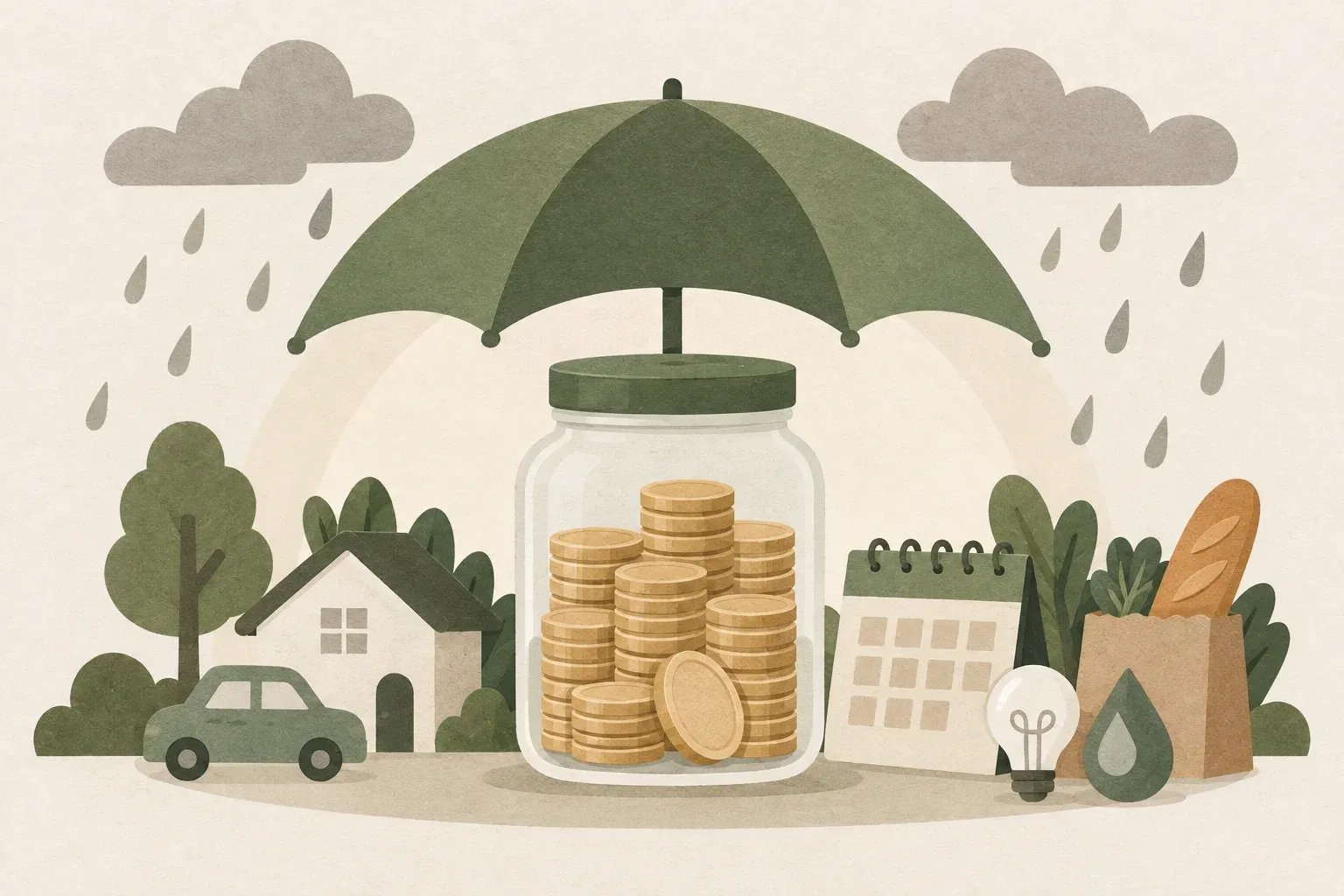
Short answer: Start with 3–6 months of essential expenses
The Bank of Thailand and Stock Exchange of Thailand suggest reserves of approximately 3–6 times monthly expenses, based on essential expenses and obligations that cannot stop. Salary alone does not determine the reserve needed.
Which expenses should be included?
Include basic food, housing, utilities, transport, healthcare, required insurance, dependent support, and minimum debt payments. Exclude expenses that can pause, such as travel or discretionary shopping.
For example, if your monthly essential expenses total 25,000 baht, your three-month goal is 75,000 baht and the six-month goal is 150,000 baht. You don't need to save them all at once. You can start with a one-month goal and increase accordingly.
Who should reserve more than 6 months?
Larger reserves may be appropriate with variable income, freelance or seasonal work, many dependents, ongoing healthcare costs, or difficulty finding a new job. Two income sources and comprehensive benefits may reduce that need.
Where should I keep my emergency fund?
Prioritize timely access, low risk, and separation from everyday spending. Savings accounts are straightforward options. Money-market and bond funds differ from deposits in risks and terms; read policies, fees, and settlement timing before choosing.
Do not keep an entire emergency fund in volatile or hard-to-sell assets: their value may fall when needed. Keeping some funds immediately accessible helps reduce this risk.
Which events justify using this money?
Before withdrawing, ask whether the expense is necessary and unexpected, and whether delaying payment would affect health, safety, income, or an important obligation. Set aside planned expenses such as annual taxes and travel separately.
How to build a reserve while you still have debt
You need not wait until all debts are cleared to save. Build a small buffer to prevent emergencies becoming more debt, then accelerate high-interest repayment and gradually expand reserves to a suitable target. Read more in Should You Repay Debt Before Saving or Investing?
What to do after using it
Use your emergency fund when an emergency requires it. Once the situation settles, plan contributions you can afford to replenish it and reassess whether the original target is still enough.
Sources
- Bank of Thailand: Financial planning
- Stock Exchange of Thailand: What is an emergency fund, and how much should you have?
- Stock Exchange of Thailand: Planning for self-employed workers
This article provides general knowledge. Each type of financial product has different risks and conditions. You should check before deciding.